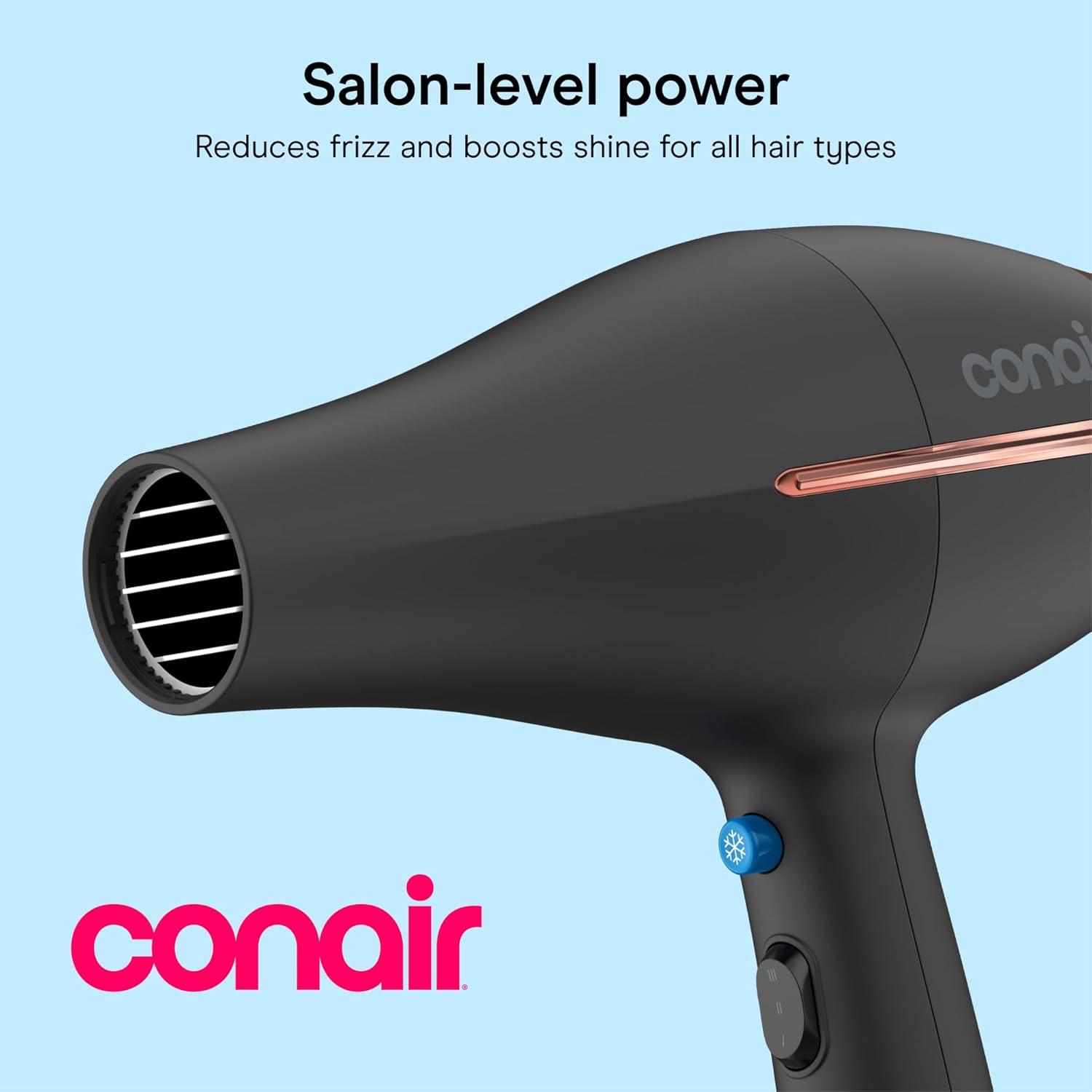
A hair dryer is, at its core, a motor that pushes heated air — but the gap between a $25 drugstore model and a $300 professional unit is enormous in ways that matter when you’re behind the chair eight hours a day. Professional-grade dryers (meaning tools built for continuous commercial use, not occasional home styling) run heavier motors, better thermal cutoffs, and — crucially — produce ionic airflow, which breaks down water molecules faster and reduces frizz instead of just blasting hair with heat until it dries. For a student building a first kit or a booth renter watching cash flow, the relevant question isn’t “can I find a professional dryer under $100?” It’s “which under-$100 dryers are actually built for professional-frequency use, and which ones will die in three months?” This guide answers exactly that — with the math on what those decisions cost you over time.
| EDITOR'S PICK[Pibbs Twin Turbo 3800 Ionic & C…](https://www.amazon.com/dp/B00DQD847Y?tag=greenflower20-20) | Mid-tier[TREZORO Professional Hair Dryer](https://www.amazon.com/dp/B07KN63XZH?tag=greenflower20-20) | Budget pickRED by Kiss Tourmaline Ceramic… | |
|---|---|---|---|
| Wattage | — | 2000W | 2200W |
| Heat/Speed Sets | — | 3 Heat/2 Speed | 6 Heat |
| Cool Shot | — | ✓ | — |
| Attachments | — | 2 Nozzles | Extra Combs |
| Tech Type | Ionic & Ceramic | Ionic Ceramic Tourmaline | Tourmaline Ceramic |
| Price | $179.50 | $69.49 | $39.99 |
| See on Amazon → | See on Amazon → | See on Amazon → |
What “Professional-Grade” Actually Means at This Price Point
Let’s be honest about the ceiling first. At under $100, you are not getting a 2,200-watt Italian-motor dryer with a five-year warranty. Takara Belmont and Babyliss Pro’s top-tier units start north of $150 and go up from there. What you can get under $100 is a dryer that:
- Runs a 1,800–2,000 watt motor (enough for efficient professional use)
- Has ionic technology (negatively charged ions that disrupt water molecules, meaning faster dry time and less heat damage to the hair shaft)
- Offers multiple heat and speed settings — minimum two of each, ideally three
- Includes a concentrator nozzle (the long narrow attachment that focuses airflow for blowouts)
- Has a removable rear filter (critical for salon environments where product buildup clogs motors fast)
That last point — the removable filter — is where cheap dryers quietly fail. Modern Salon’s “Tools of the Trade” piece for new stylists specifically flags filter maintenance as the single most common cause of motor burnout in budget units. If you can’t pull the back cap and clean the lint screen, the dryer’s lifespan in a salon environment drops from two years to six months.
At the $50–$100 price band, a handful of brands consistently show up in aggregated professional reviews: Conair Pro, BaBylissPRO (entry-level line), Revlon Professional, Hot Tools, and Rusk. Each one has trade-offs worth naming.
The Tradeoffs, Named Explicitly
Weight vs. Wattage
Professional dryers at this price typically weigh between 1.8 and 2.4 pounds. That’s a real difference over a full day’s work. Wirecutter’s most recent hair dryer roundup notes that arm fatigue is one of the most underweighted factors new stylists underestimate — a dryer you’re holding for six to eight services per day needs to feel manageable at hour seven, not just hour one.
The tradeoff: lighter dryers in this price range usually achieve their weight savings by using smaller motors or plastic-heavy housings. A 1,875-watt unit at 1.8 pounds and a 2,000-watt unit at 2.2 pounds are both reasonable — but if a dryer advertises both “ultra-light” and “professional power” under $70, read the fine print carefully.
Motor Type: AC vs. DC
This is the spec most budget buyers skip, and it matters. DC motors are cheaper to manufacture and dominate the sub-$100 space. They’re lighter and fine for moderate use. AC motors (found in most salon-grade tools above $120) run cooler, last longer under heavy rotation, and maintain consistent power output even as the motor ages.
The honest answer: if you’re doing two to four blowouts per day as a student or new booth renter, a DC motor will serve you adequately for one to two years with proper maintenance. If you’re building toward six-plus services daily, budget for an AC-motor unit sooner rather than later. Beauty Launch Pad’s guide on budgeting for first booth rental specifically recommends treating a dryer as a 12–18 month consumable at the entry price point rather than a long-term asset — then upgrading once your chair is filling consistently.
Ionic vs. Tourmaline vs. Ceramic
You’ll see all three terms on packaging. Here’s what they mean in plain language:
- Ionic: Emits negative ions that break up water clusters, reducing dry time and smoothing the cuticle (the outer layer of each hair strand). Standard feature on any dryer worth using professionally.
- Tourmaline: A mineral coating on the heating element that generates more ions than basic ionic tech. Slightly faster dry, slightly smoother finish. Meaningful for clients with thick or coarse hair.
- Ceramic: A ceramic-coated heating element that distributes heat more evenly, reducing hot spots. Useful for fine or color-treated hair that’s heat-sensitive.
Byrdie’s 2025 roundup of budget dryers notes that under $100, “tourmaline ionic” is often a marketing layer on otherwise similar internal hardware — the real differentiator is build quality and motor spec, not the mineral branding. That said, all three finishes outperform plain heating elements, so any budget dryer that doesn’t mention ionic technology should be skipped entirely.
By the Numbers
| Price Range | Typical Wattage | Motor Type | Expected Lifespan (Professional Use) | Ionic? |
|---|---|---|---|---|
| $25–$49 | 1,600–1,800W | DC | 6–12 months | Sometimes |
| $50–$79 | 1,800–2,000W | DC | 12–18 months | Usually |
| $80–$99 | 1,875–2,000W | DC (some AC) | 18–24 months | Yes |
Source: aggregated manufacturer specifications and owner review patterns across Wirecutter, Allure, and Byrdie roundups, 2025 editions.
The Picks (and the Logic Behind Each)
Best All-Around: BaBylissPRO Nano Titanium Portofino (~$75–$90)
The Portofino line sits at the top of BaBylissPRO’s accessible tier — just below their Italian-made professional units — and it shows up repeatedly in professional forums and in Allure’s budget dryer coverage as the go-to recommendation for new stylists who need to look credible behind the chair without a three-figure outlay. Published specs put it at 2,000 watts with a DC motor, nano titanium heating, and six heat/speed combinations. Owners consistently report faster-than-expected dry times, and the concentrator nozzle fits snugly (a small thing that becomes annoying fast when budget-tier attachments rattle mid-blowout). The filter is removable and easy to clean.
If you’re a student or first-year booth renter who needs one dryer to do everything, this is the pick.
Best Lightweight Option: Revlon Pro Collection Salon Performance (~$45–$65)
For stylists whose primary complaint is arm fatigue, the Revlon Pro Collection sits closer to 1.8 pounds and is priced low enough that replacing it every 12–18 months isn’t a serious budget event. It runs 1,875 watts with ceramic + ionic technology. Across aggregated reviews, owners report it performs best on fine-to-medium hair textures and is less efficient on thick or coarse natural hair where the wattage ceiling shows. At this price, that’s an honest limitation, not a flaw.
If your client mix skews fine-to-medium hair and weight is your priority, this earns its shelf space.
Best for Students on a Hard Budget: Hot Tools Pro Signature (~$30–$50)
Hot Tools has been a professional staple for decades — their Marcel irons and curling wands are genuinely respected by working stylists. Their entry-level dryers don’t reach the same standard, but at $30–$50 they offer ionic technology, removable filters, and the minimum functional spec for a student kit. Byrdie’s budget dryer roundup includes it as a solid “starter” pick specifically because the Hot Tools brand is recognized in school environments and the dryer is available through SalonCentric, which matters for students working within kit purchase programs.
If you’re a cosmetology student buying a first kit on a tight budget, Hot Tools Pro Signature is the floor, not the compromise.
Worth Knowing About: Rusk Speed Freak (~$80–$95)
Rusk’s Speed Freak gets mentioned in behind-the-chair discussions specifically for airflow velocity rather than wattage alone. Published specs describe it as engineered for high-pressure output, which cuts dry time more than a raw wattage number would suggest. It’s heavier than the Revlon option above, but owners working with thick, coarse, or high-density natural hair patterns consistently note the difference in service time. At under $100 it’s the strongest option for stylists whose books include a meaningful volume of curly and textured clients.
If textured hair services are a significant share of your menu, the Speed Freak’s airflow spec justifies the price premium within this tier.
The Cost-Per-Service Math (And Why It Changes the Decision)
Here’s the frame Beauty Launch Pad recommends — and it’s the right one. A $75 dryer that lasts 18 months of five-day-a-week use represents roughly 390 working days. If you’re doing five blowout-adjacent services per day, that’s approximately 1,950 services over the dryer’s life. Cost per service: under four cents.
A $30 dryer that fails at month eight under the same load was used for roughly 170 days / 850 services. Cost per service: about three and a half cents — but you also absorbed the friction of an unplanned mid-season replacement, potentially during a period when your chair was filling and you couldn’t afford a service disruption.
The math doesn’t dramatically favor the cheaper option. It mostly argues for buying the best-maintained, most reliable dryer in your budget band and cleaning the filter consistently — not for either extreme.
The Decision Rule
Here’s the clean “if X, then Y” read:
- If you’re a cosmetology student building a first kit on a hard budget: Hot Tools Pro Signature at $30–$50 is the floor. It’s enough to graduate with; it won’t carry a booth rental long-term.
- If you’re a new booth renter (under 12 months in) with a mixed client book: BaBylissPRO Nano Titanium Portofino at $75–$90 is the right buy. It performs credibly across hair types and looks professional at the station.
- If your book skews heavily toward thick, textured, or natural hair: Rusk Speed Freak at $80–$95. The airflow math matters more than brand recognition here.
- If arm fatigue is your primary complaint: Revlon Pro Collection at $45–$65. Accept the wattage ceiling, clean the filter, replace it on a 12-month cycle.
- If you’re 12–18 months into booth rental and your chair is filling: Stop shopping in this tier. The jump to a BaBylissPRO Italian-series or a Parlux 385 at $130–$180 is where the motor lifespan math actually changes — that’s a separate guide, but the upgrade window opens faster than most new stylists expect.
You’re authorized to use any of these behind a paying client without apology. The embarrassment isn’t in the price tag — it’s in the dryer that smells like burning plastic at month four because no one told you to clean the filter.
Published spec comparisons sourced from Wirecutter’s “The Best Hair Dryers” (updated 2025), Allure’s “The Best Drugstore Hair Dryers That Actually Work” (2025), Byrdie’s “Best Budget Hair Dryers” (2025), Modern Salon’s “Tools of the Trade: What New Stylists Should Prioritize” (2024), and Beauty Launch Pad’s “Budgeting for Your First Booth Rental” (2024). Product availability and pricing reflect May 2026 market conditions; verify current pricing with authorized sellers before purchase.